Choosing the right dumpster size is one of the most important steps when planning a home cleanout, renovation, or construction project. A dumpster that’s too small may require an additional rental, while one that’s unnecessarily large could increase your costs.
At King Dumpster Co, we make it easier to select the right roll-off dumpster for your waste removal needs. Whether you’re clearing out a garage or managing a large construction project, understanding dumpster dimensions and capacity can help you make a better decision.
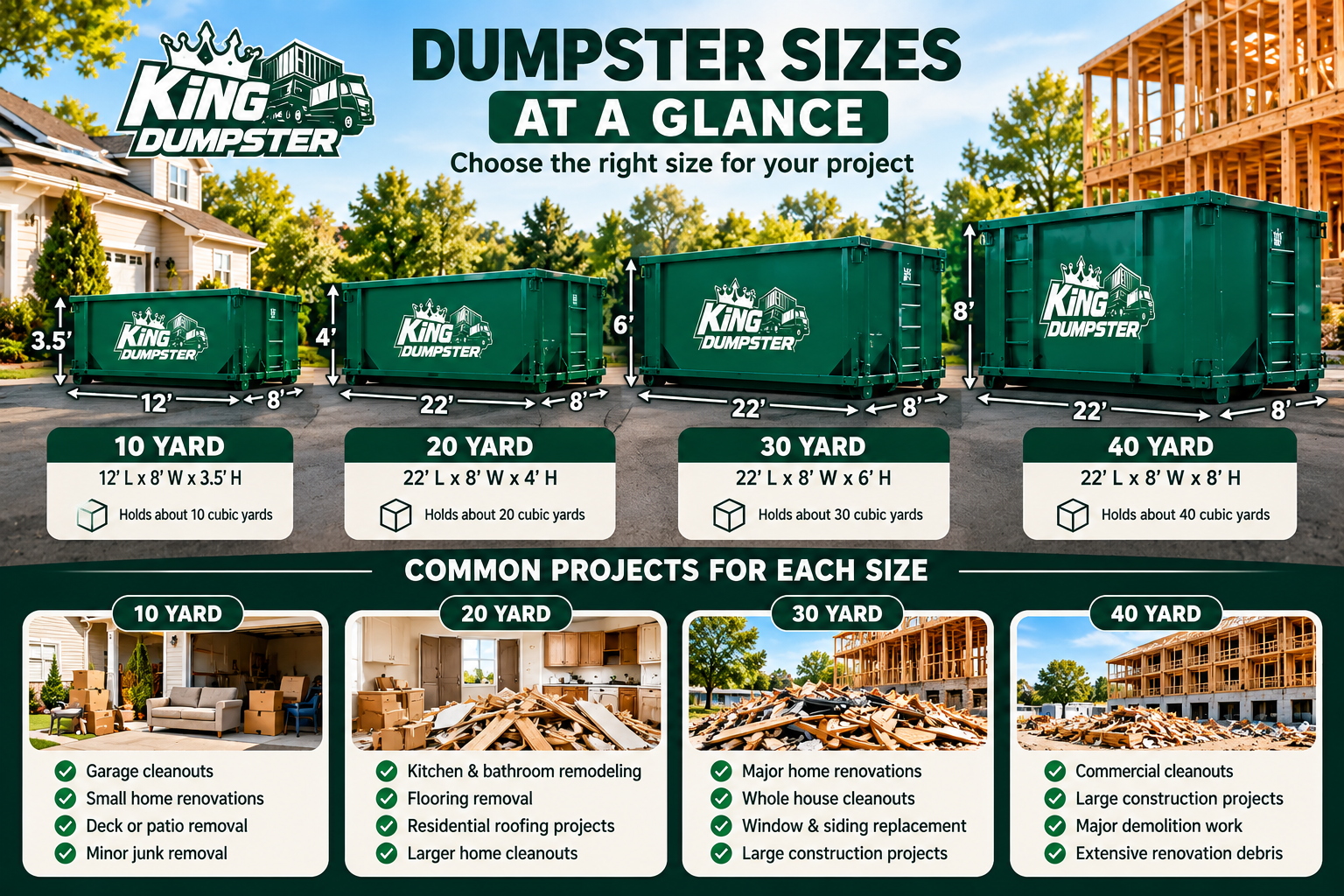
Roll-off dumpsters are measured in cubic yards, which indicate how much material a container can hold by volume.
For example, a 10-yard dumpster has a capacity of approximately 10 cubic yards, while a 40-yard dumpster can hold approximately four times that volume.
One cubic yard equals 27 cubic feet, or a space measuring 3 feet long, 3 feet wide, and 3 feet high.
At King Dumpster Co, we offer four common dumpster rental sizes:
Each size is designed for different cleanup requirements, from small residential projects to large commercial construction jobs.
Dumpster dimensions can vary depending on the container design and equipment used by the rental provider. However, the following measurements provide a general reference.
| Dumpster Size | Length | Width | Height |
|---|---|---|---|
| 10 Yard | 12 feet | 8 feet | 3.5 feet |
| 20 Yard | 22 feet | 8 feet | 4 feet |
| 30 Yard | 22 feet | 8 feet | 6 feet |
| 40 Yard | 22 feet | 8 feet | 8 feet |
These are approximate dimensions, not guaranteed measurements.
The 20, 30, and 40 yard containers commonly have similar lengths and widths but differ in height. A larger dumpster provides additional space for bulky items and higher volumes of debris.
Before scheduling delivery, confirm the actual container dimensions and make sure your property has sufficient room for placement.
Understanding the typical uses of each container can help you decide which dumpster best matches your project.
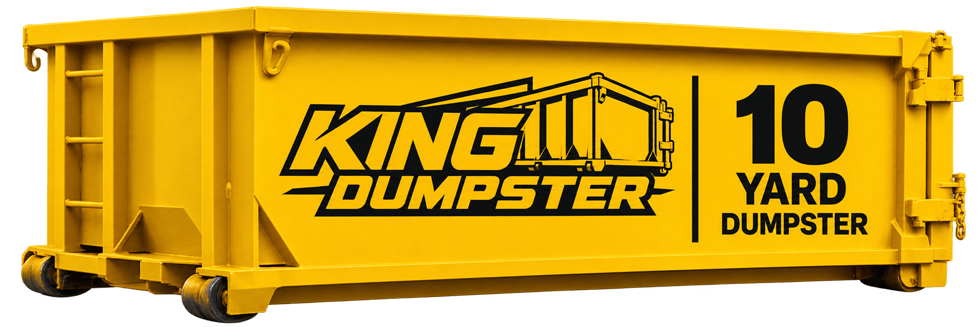
A 10-yard dumpster is a compact option for smaller residential projects and limited amounts of debris.
Best suited for:
Because of its smaller footprint, a 10-yard dumpster can be a practical choice when driveway space is limited.
However, if your project involves a substantial amount of debris, choosing a larger dumpster may be more cost-effective.
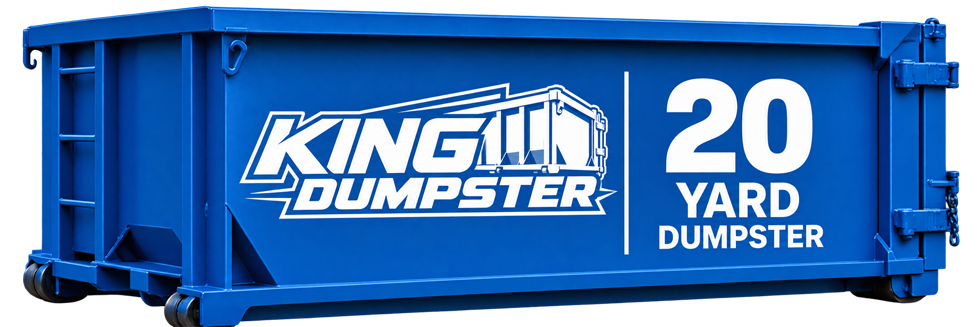
A 20-yard dumpster is a versatile option for home improvement projects and larger residential cleanouts.
Best suited for:
The 20-yard dumpster is a popular choice because it offers a useful balance between capacity, space requirements, and rental cost.
For many residential projects, this size provides enough room for bulky materials without requiring a larger container.
.
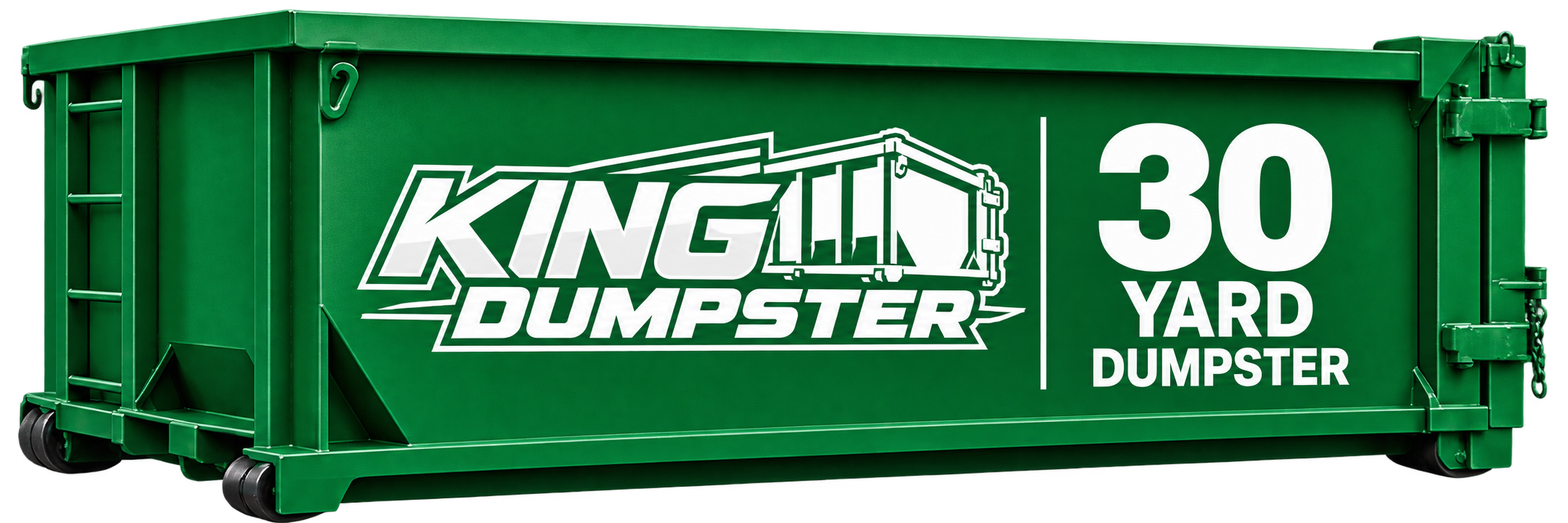
A 30-yard dumpster is designed for bigger cleanup jobs that produce significant amounts of waste.
Best suited for:
This container provides additional capacity for large volumes of wood, drywall, furniture, and other approved materials.
It’s a practical choice for contractors and property owners managing projects that extend beyond a typical residential cleanout.
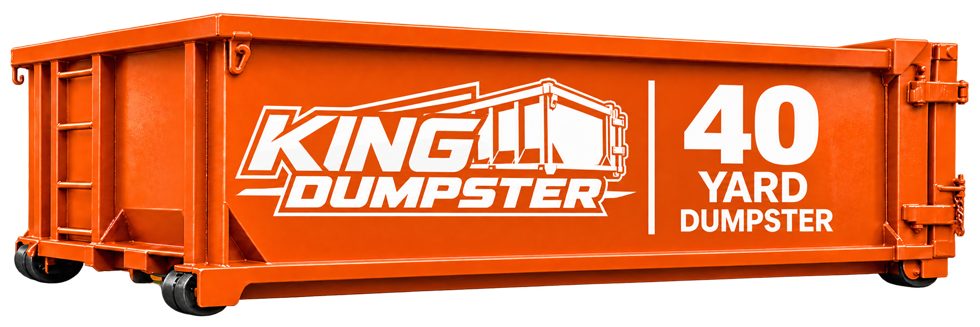
A 40-yard dumpster is one of the largest commonly available roll-off containers.
Best suited for:
Its higher capacity makes it suitable for projects that generate large quantities of waste.
Keep in mind that larger dumpsters require adequate placement space and may have restrictions on heavy materials
Selecting the correct dumpster isn’t just about having enough room for your trash. It also affects your overall rental expenses and project efficiency.
A container that’s too small may fill up before your project is complete. You might need an additional dumpster or an exchange, which can increase transportation and disposal costs.
For example, if you have approximately 13 cubic yards of debris, a 10-yard dumpster won’t provide enough space. Choosing a 20-yard dumpster from the beginning may be more practical than arranging a second 10-yard rental.
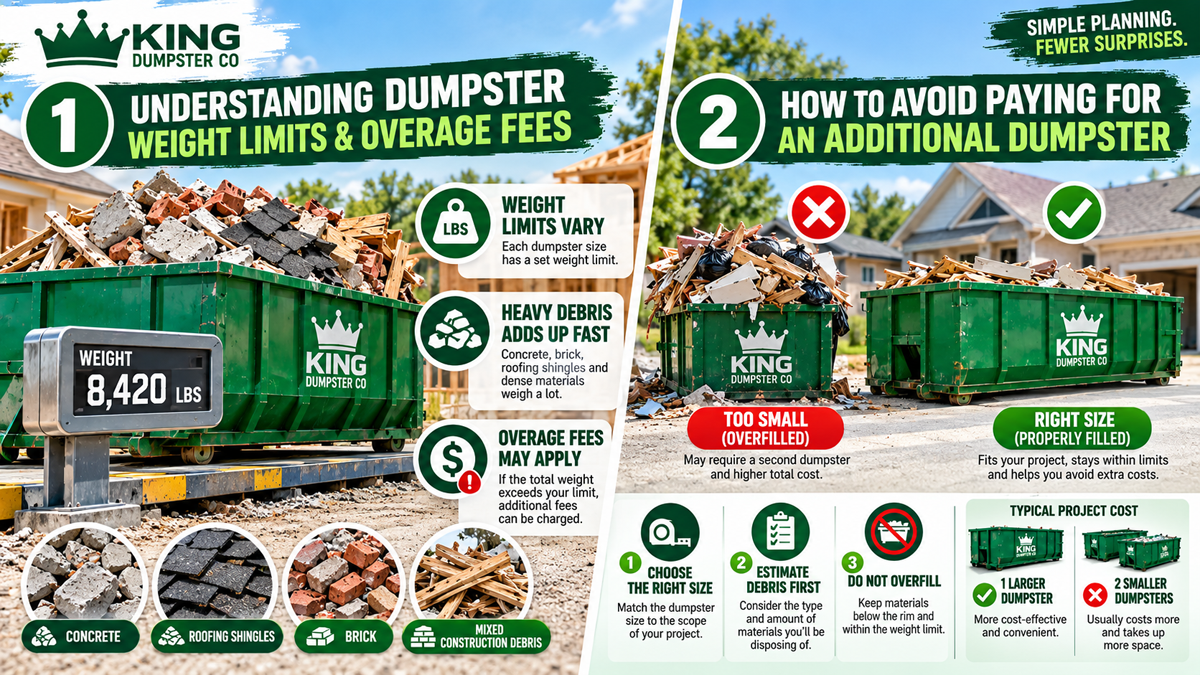
However, remember that a larger container doesn’t automatically mean a higher weight allowance. The type and weight of your debris are just as important as its volume.
When you’re unsure about sizing, discuss your project requirements with King Dumpster Co before booking.
Overloading a dumpster creates safety concerns and may result in additional charges or pickup delays.
Waste materials should remain level with or below the top edge or designated fill line of the container.
Avoid allowing boards, furniture, construction materials, or other debris to extend beyond the dumpster walls.
An overloaded dumpster may be unsafe to transport because materials could shift or fall during hauling.
Depending on the rental agreement and applicable transportation requirements, the driver may be unable to remove the container until the excess debris has been taken out.
Possible consequences include:
To avoid these problems, distribute debris evenly and monitor the container’s fill level throughout your project.
If you realize your dumpster is too small, contact your rental company before continuing to load it.
Dumpster rental agreements commonly include a specified weight allowance.
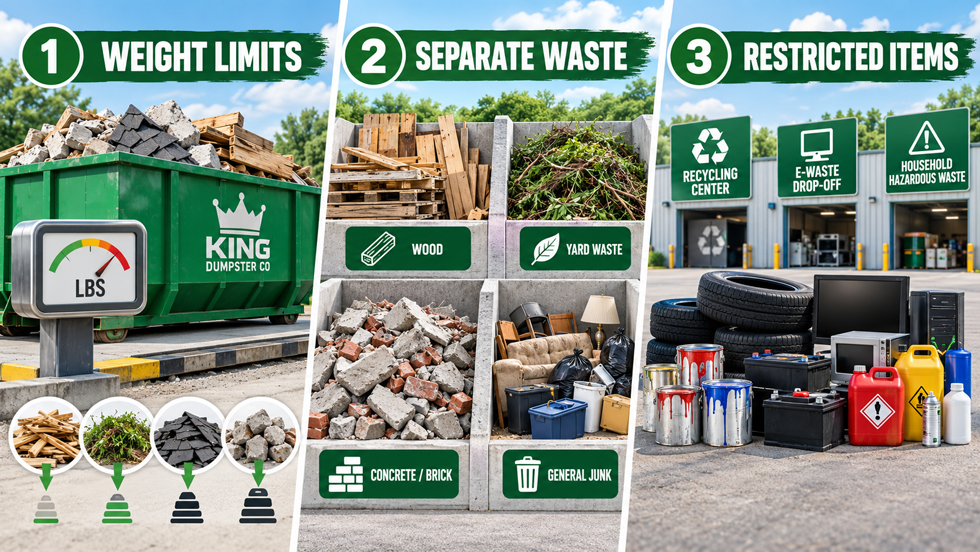
This allowance refers to the amount of debris included in the rental price. If your waste exceeds the permitted weight, additional disposal charges may apply.
Different materials have significantly different weights.
For example:
Overage charges vary according to rental agreements, disposal facility rates, and the amount of additional weight.
Most weight-related overage fees are calculated using a rate per ton or a fraction of a ton above the included allowance.
Extra volume, additional container exchanges, prohibited materials, and unsuccessful pickup attempts may be charged separately.
Before confirming your rental, ask about:
Understanding these charges can help you manage your total rental expenses.
One of the most common mistakes customers make is underestimating the amount of waste their project will generate.
A small dumpster might appear more affordable initially, but renting a second container can add delivery, pickup, and disposal expenses.
Here are a few ways to avoid unnecessary rental costs.
Consider the amount of furniture, household junk, or construction material you plan to remove.
For renovation projects, estimate the size of the area being remodeled and the types of materials involved.
If your estimated waste volume is close to the maximum capacity of a particular dumpster, the next size up may provide useful additional space.
Compare rental rates and weight allowances before deciding.
Don’t assume that because there’s still room inside the container, you can continue loading heavy debris.
Keep track of dense materials, especially concrete, roofing shingles, and soil.
Donate usable furniture, appliances, or household items when possible.
This can reduce the amount of waste you need to dispose of and free up valuable dumpster space.
Choosing the correct dumpster size also means making sure the container will fit safely on your property.
Before scheduling delivery, inspect the intended placement area and consider the following:
A level, firm, and accessible surface is generally the best option.
If you plan to place the dumpster on a public street or right-of-way, check whether a permit is required.
Proper preparation can help prevent delays during delivery and pickup.
Every cleanup project is different, and selecting the correct dumpster involves more than simply comparing container dimensions.
You should consider the amount of debris, material weight, available placement space, rental duration, and overall project requirements.
At King Dumpster Co, we help homeowners, contractors, and businesses choose practical roll-off dumpster rental options for residential and commercial projects.
With 10, 20, 30, and 40 yard dumpsters available as rental options, finding a suitable container for your next cleanup can be straightforward.
Planning a home cleanout, renovation, or construction project? Let King Dumpster Co help you choose a dumpster that fits your needs.
Contact us to discuss your project, review available dumpster sizes, and request a competitive rental quote.